Lawmakers Step Into the Plants Putting the Infrastructure Beneath Our Feet
TL;DR: PVC pipe plant tours highlight clean water, sanitation, infrastructure, and manufacturing jobs
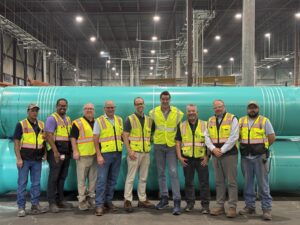
Rep Josh Riley (fourth from right) on a plant tour/ 
 This summer, the Vinyl Institute has been partnering with PVC pipe plants in inviting members of Congress and congressional staff to visit manufacturing facilities across the country. The VI aims to spotlight a part of American infrastructure that is easy to overlook but essential to everyday life: the production of the PVC pipe systems that help deliver clean water to homes and businesses while carrying wastewater safely away.
The visits have taken us to National Pipe and Plastic in Vestal, New York, with Rep. Josh Riley; Jet Stream by Pipelife in Siloam Springs, Arkansas, with Rep. Steve Womack; and JM Eagle in Meadville, Pennsylvania, with Rep. Mike Kelly.
Next week, we will join staff for Sen. Pete Ricketts for another facility visit in Grand Island, Nebraska. Each tour has centered on a straightforward but important message: PVC pipe plays a critical role in modern water infrastructure. Communities count on durable pipe systems to deliver safe drinking water, support sanitation, manage wastewater, and protect public health. Once installed, these systems can be invisible to the public. Their importance, however, is not.
Rep. Riley has been a leading champion of the LEAPS Act and related efforts to promote modern, energy-efficient irrigation systems, making him one of VI’s most important allies on Farm Bill and agricultural water-efficiency issues. After his tour, Riley said “Irrigation is the lifeblood of agriculture, and National Pipe & Plastic in Endicott builds the systems that keep water moving for farmers across Upstate NY and the country.
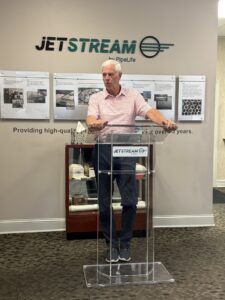
Rep. Womack underscored that very point after visiting Jet Stream by Pipelife in Siloam Springs. “As more folks settle here in Northwest Arkansas, it is critical that our water infrastructure remains reliable and safe. PVC piping is a critical ingredient to this. Today, I got a behind-the-scenes look at Jet Stream by Pipelife’s facility in Siloam Springs where they are manufacturing this piping right here in #AR3, creating local jobs and investing in the region,” Rep. Womack said. (see below)
Rep. Kelly pointed to the same connection between local manufacturing and national infrastructure during his visit to JM Eagle in Meadville. “I toured JM Eagle’s PVC pipe manufacturing facility and met with the hardworking employees who keep its operations running. It was great to see the manufacturing process firsthand and learn more about how the products made right here in Western Pennsylvania support infrastructure projects across the country. Thank you to the JM Eagle team for welcoming me and for your continued investment in American manufacturing and our local workforce,” Rep. Kelly said.
For most people, the pipe beneath streets, homes, schools, hospitals, and businesses is out of sight and out of mind. That is usually a sign the system is working. But when water or wastewater infrastructure fails, the impact is immediate, expensive, and disruptive. Reliable water systems are not a convenience; they are one of the basic foundations that make modern communities possible.
The plant visits also gave policymakers a closer look at the people and production capacity behind that infrastructure. PVC pipe facilities are more than links in a supply chain. They are local employers, often supporting around 150 jobs at each plant, along with suppliers, transportation networks, contractors, and other businesses in the surrounding community.
Local connection matters. In Vestal, Siloam Springs, Meadville, and soon Grand Island, members of Congress and staff have seen how federal infrastructure policy connects directly to American manufacturing jobs and to the materials communities need to build, maintain, and expand water systems.
As Congress continues weighing water infrastructure funding, rural development programs, permitting issues, and domestic manufacturing policy, these visits put those conversations in practical terms. Supporting water infrastructure means supporting clean drinking water, sanitation, public health, local jobs, and the domestic production capacity needed to keep communities growing.
The Vinyl Institute appreciates the members of Congress and congressional staff who have taken the time to visit PVC pipe facilities this summer. Seeing these operations firsthand reinforces a simple point: the infrastructure beneath our feet may be out of sight, but it is central to American life. PVC pipe helps make clean water and modern sanitation possible. These plant tours are a reminder that the systems Americans depend on every day begin with the workers, manufacturers, and materials that build them.