Cost-Effective Solutions for Sustainable Water Infrastructure
TL;DR: Investments in water infrastructure can shape a community’s environmental and economic future for generations. For municipalities evaluating infrastructure materials, PVC piping offers characteristics that can support sustainability goals while helping communities manage long-term costs, conserve treated water, and maintain reliable clean water delivery.
- PVC pipes can have lower embodied carbon and lifecycle energy demands than several traditional piping materials.
- Leak-resistant PVC piping can help municipalities reduce treated water loss.
- Corrosion resistance and smooth interior surfaces can support long-term hydraulic efficiency.
- PVC water pipes can provide a service life of 100 years or more under appropriate conditions.
- PVC is recyclable, adding another consideration to its long-term sustainability profile.
Reliable water infrastructure is essential to communities across the U.S. From delivering clean drinking water to supporting businesses, hospitals, schools, and other critical services, these systems play an important role in public health and economic activity.
Municipalities must maintain aging infrastructure while managing public resources responsibly. Sustainability adds another consideration: Communities need to evaluate not only installation costs but also how materials perform over decades of service.
Factors such as manufacturing impacts, energy use, water loss, corrosion, maintenance, service life, and recyclability can provide a more complete picture of infrastructure costs and environmental impacts. PVC piping offers several characteristics that can contribute to these goals.
Considering Carbon Impacts From the Start
The environmental impact of water infrastructure begins before a pipe enters service. Raw material sourcing, manufacturing, transportation, and installation all require resources and energy.
Research highlighted by the Vinyl Institute has found that PVC pipe has lower embodied carbon than several traditional materials, including iron, copper, cement, and clay. Lifecycle assessments have also demonstrated comparatively low energy requirements for PVC pipe.
PVC’s lightweight construction can contribute additional efficiencies. Compared with heavier piping materials, PVC pipes can require less energy to transport and can be handled with lighter equipment during installation. Considering these impacts helps communities evaluate carbon considerations from the beginning of an infrastructure project.
Conserving Water Through Leak-Resistant Infrastructure
Sustainability also includes the resources that infrastructure helps conserve throughout its service life. Water loss is a significant concern for municipal systems.
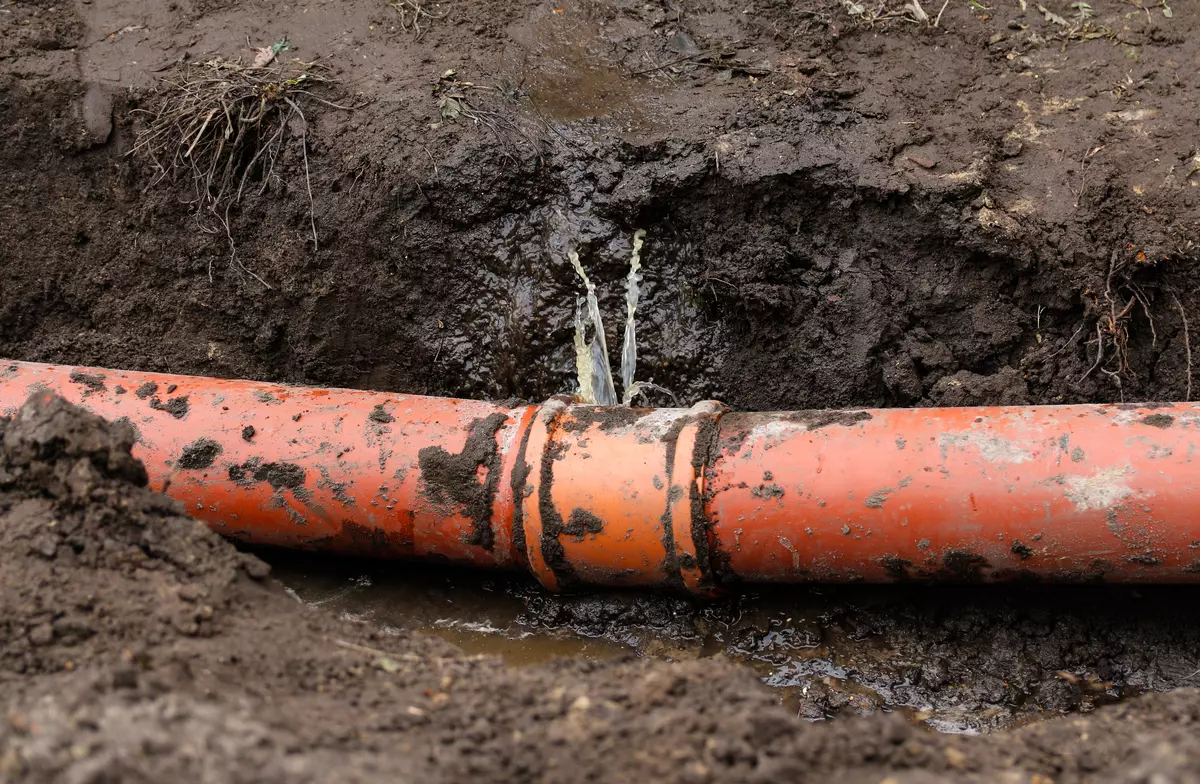
When treated water escapes through leaking or broken pipes, communities lose both water and the resources used to collect, treat, pump, and distribute it. Reducing leaks can therefore support water conservation and energy efficiency.
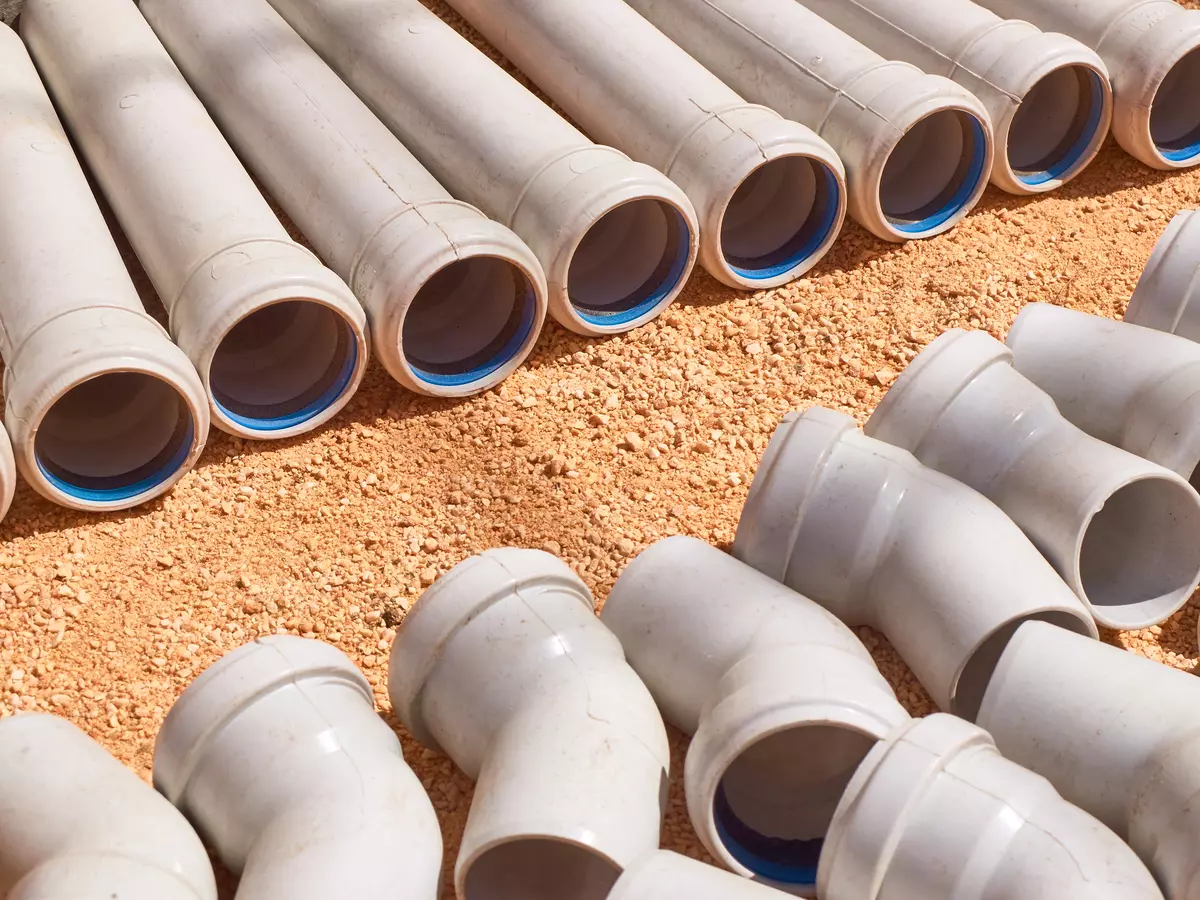
PVC piping systems use gasketed, tight-sealing joints designed to help limit leakage. PVC pipe has also demonstrated low break rates compared with several commonly used water-main materials. These characteristics make leak resistance an important consideration when municipalities evaluate water infrastructure solutions.
Corrosion Resistance Can Support Long-Term Efficiency
The condition of a pipe can affect maintenance requirements and the energy needed to move water through a system.
PVC does not rust or corrode like metallic piping materials. It also resists scaling and tuberculation, helping its interior surface remain relatively smooth over time.
As deposits accumulate within certain types of pipe, pumping water can require additional energy. PVC’s resistance to internal corrosion and buildup can help preserve hydraulic efficiency throughout its service life, potentially limiting unnecessary pumping energy and some maintenance challenges associated with corrosion.
These factors demonstrate why sustainable water infrastructure benefits from a lifecycle perspective that considers how materials perform over time.
Long Service Life Helps Communities Think Beyond Upfront Costs
Municipal infrastructure investments are long-term decisions. Water mains installed today may remain beneath communities for generations.
PVC pipe has an expected service life of 100 years or more when properly designed and installed. Longer service life can reduce the frequency of replacement projects, which require additional materials, manufacturing, transportation, equipment, labor, and energy.
For municipalities working with limited budgets, this reinforces the importance of considering lifecycle costs rather than initial purchase price alone. Installation, maintenance, energy consumption, repairs, water loss, and eventual replacement all contribute to the long-term cost of serving a community.
Recyclability Is Part of the PVC Sustainability Story
A common misconception is that PVC and other vinyl products cannot be recycled. In reality, PVC is recyclable, and vinyl materials have been recycled for decades.
Because PVC is a thermoplastic, it can be processed and used again when appropriate collection and recycling infrastructure is available. Both pre-consumer and post-consumer vinyl materials are recycled in the United States.
Recyclability complements PVC’s durability. Long-lasting materials can reduce the frequency of replacement, while recycling provides opportunities to keep materials in productive use after their original application ends.
Supporting Clean Water Delivery
Material performance must also be considered alongside established requirements for clean water delivery.
PVC has been used in municipal drinking-water systems for decades. In North America, drinking-water system materials and components are evaluated against established standards, including NSF/ANSI/CAN 61, which addresses potential health effects associated with materials that come into contact with drinking water.
PVC pipe intended for potable-water applications can be certified to applicable standards for its intended use. Its resistance to corrosion also avoids some deterioration mechanisms associated with metallic piping.
Taking a Lifecycle Approach to Water Infrastructure
Building sustainable water infrastructure requires looking beyond any single characteristic. Manufacturing, transportation, installation, energy use, water conservation, maintenance, durability, and recyclability all matter.
Viewed through this broader lens, PVC piping offers characteristics relevant to today’s infrastructure challenges, including comparatively low carbon and energy impacts, lightweight construction, leak resistance, corrosion resistance, hydraulic efficiency, long service life, and recyclability.
As communities plan the next generation of water infrastructure, evaluating the complete lifecycle of piping materials can help decision-makers identify solutions that conserve resources, support long-term performance, and make responsible use of public funds.
For more information, contact us today!