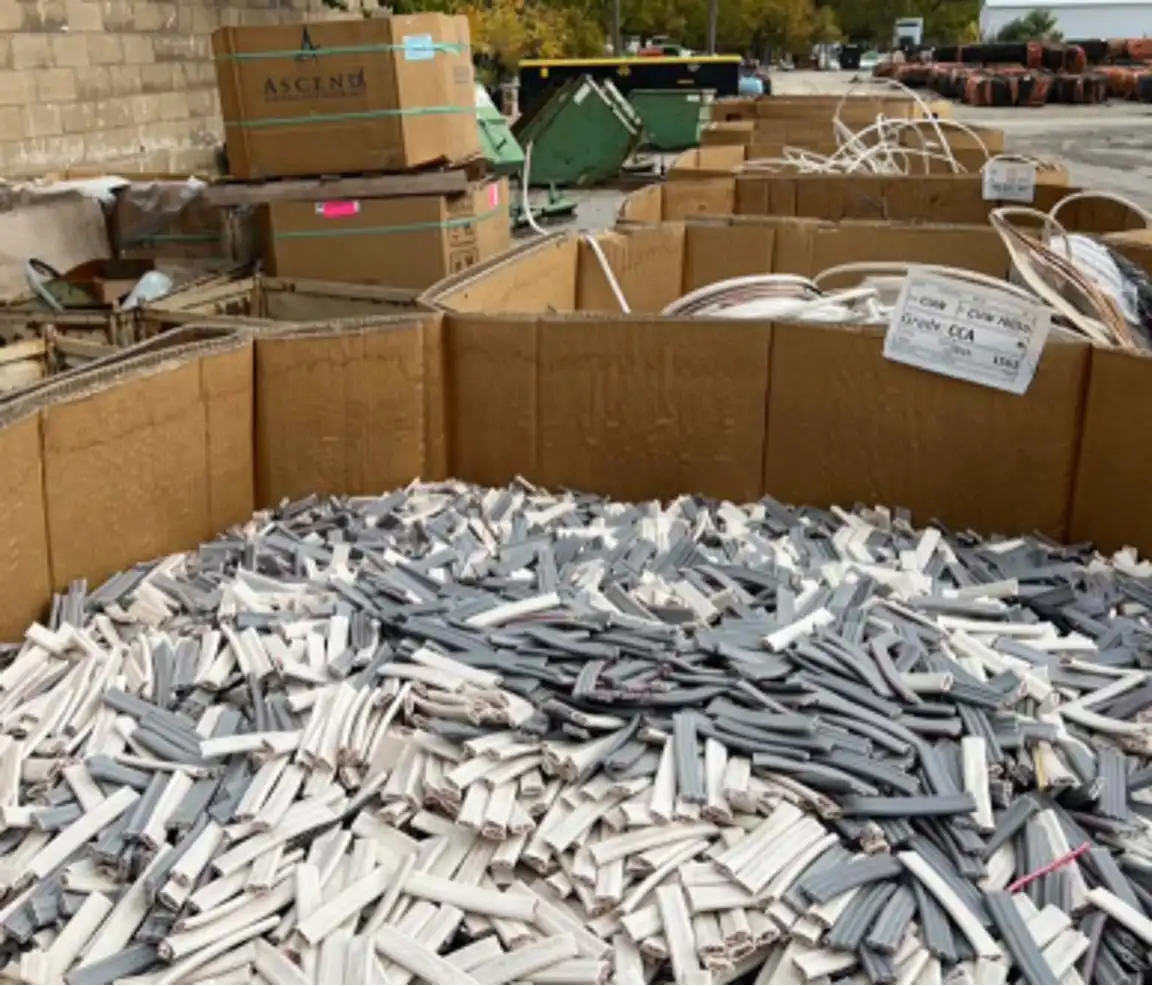
Middle East Conflict Highlights the Importance of PVC Recycling
TL;DR: Global events can feel far removed from day‑to‑day manufacturing decisions. But the conflict in Iran serves as a stark reminder of just how interconnected energy markets, materials supply chains, and recycling systems really are. Look no further than this recent piece from Plastics News.
As geopolitical tensions have contributed to rising oil prices, tighter supply of petrochemical feedstocks, and shortages of material ingredients, manufacturers across industries are seeing the impact in the form of higher costs for virgin plastic resins. These conditions reinforce a reality the vinyl industry has long understood: recycling is not only an environmental priority, but also an important part of long‑term material resilience.
“Global events are making it increasingly clear that recycling is not only an environmental priority, but also an important part of long‑term manufacturing and material resilience,” said Ned Monroe, President and CEO of The Vinyl Institute. “Periods of market volatility can make the value of recovering and reusing existing materials even more important as a potential solution to supply chain disruptions.”
Plastic manufacturing is closely linked to energy and petrochemical markets. When oil and gas prices rise or supply chains are disrupted, those effects can influence petrochemical production and plastic pricing. Recent global volatility underscores how exposed material supply chains can be to global disruptions.
Recycling, in contrast, offers a measure of insulation to these disruptions. Post-consumer and post‑industrial recycled materials rely less on the energy prices that dictate virgin material production, making them an increasingly important tool for manufacturers navigating uncertain supply chains.
Making Recycling Easier to Access
More than 1.13 billion pounds of PVC were recycled in the U.S. and Canada in 2024, driven largely by a 12.3% increase in post‑industrial recycling. While that growth reflects strong engagement from manufacturers and converters, post‑consumer PVC recycling volumes remain 58% below the industry’s goals established in 2019. While some of that difference is tied to changing trends in retail vinyl flooring replacement, the shortfall also points to broader issues: limited consumer awareness, uneven access to collection programs, and the need for expanded recycling infrastructure.
To help address that gap, The Vinyl Institute recently launched a redesigned and expanded Recycling Directory. The tool helps consumers, contractors, and businesses identify vinyl recycling and drop‑off locations by ZIP code and material type.
The directory facilitates recyclables of all kinds, from building materials such as vinyl siding, decking, flooring, and windows to household items like garden hoses, pool floats, and yoga mats. By improving access to recycling options, we can increase plastic collection, when every bit of recovered material matters. People and companies interested in getting more involved in PVC recycling should connect with The Vinyl Institute to learn about available programs, partnerships, and next steps.

Investing in the Future of PVC Recycling
Collection tools are only part of the solution. Expanding recycling capacity also requires investment in technology and infrastructure. Through our VIABILITY recycling grant program, The Vinyl Institute and leading U.S. PVC resin producers have given nearly $3 million toward advancing post‑consumer PVC recycling technologies, collection systems, and processing capacity.
These investments are supporting innovation across the recycling value chain and to ensure that PVC recycling can continue to scale as demand grows.
“The vinyl industry has long understood the importance of building a more circular economy,” Monroe said. “Today’s market conditions reinforce why continued investment in recycling systems, recovery technologies, and consumer access tools are so important for the future.”
The current geopolitical environment has made one thing clear: resilient material strategies matter. As manufacturers navigate supply uncertainty and potential cost pressure in material markets, PVC recycling serves as both a sustainability solution and a practical way to strengthen material resilience.