PVC at the Beach: Supporting Accessibility, Durability, and Everyday Life
I was reclining on a beach chair listening to waves crash to shore on a hot summer day. This felt like as good a getaway from work as any, although, even at the beach, you’re never far from PVC. The beach chair I sat on, the umbrella allowing me a reprieve from the hot sun, the fishing pole holders that lined the tide’s edge, and even the inflatables the children floated around in back at the pool, were all made of vinyl to some degree. Working in the vinyl industry, I was accustomed to this. But I did not expect to see what I saw next.
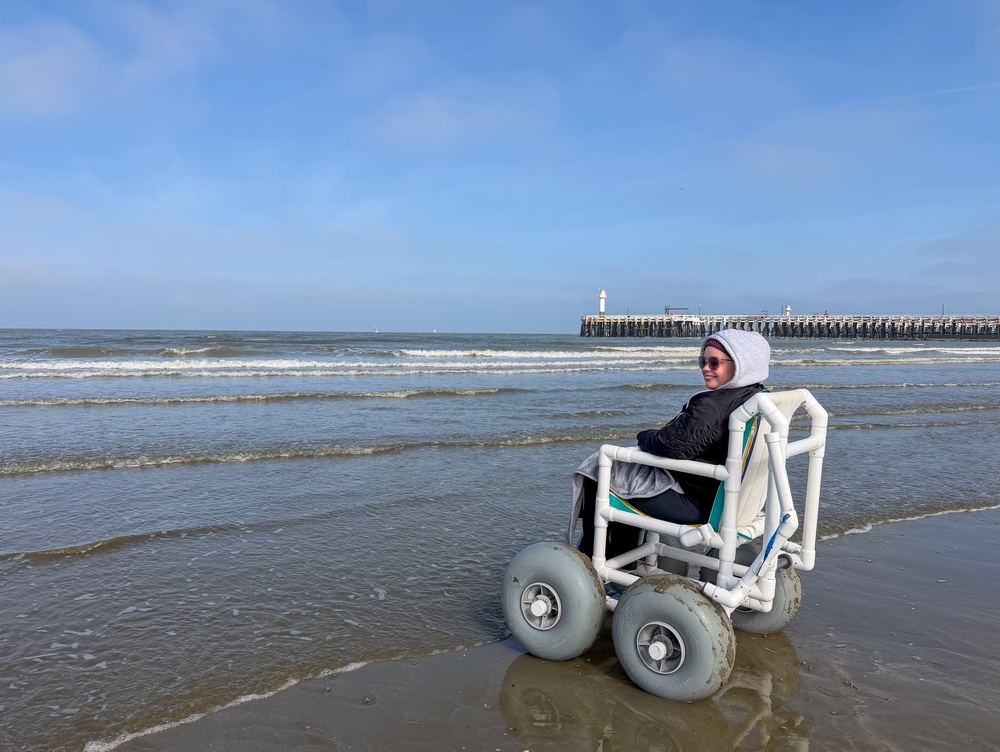
An elderly man was pushing his was wife across the sand in a specialized beach wheelchair, made mostly from PVC. Instead of digging into the surface, the wheels distributed its weight over a larger area, allowing the chair to glide across the beach. After a short walk, the couple arrived at their family’s tent to a jovial reception from generations of their family: free to read their book, dip in the ocean, and play in the sand with their grandchildren. But without their lightweight PVC wheelchair, grandma and grandpa may not have made it to the beach. They might have been sentenced to a week at the house, only listening to the sound of the waves and the delighted screams of their grandchildren. Without this modern miracle, they may have resigned themselves to a week at the beach with no saltwater but what they could smell in the thick summer air.
While many people associate PVC with pipes, flooring, or building materials, its durability and versatility make it valuable in accessibility equipment as well. Beach environments are particularly demanding. Sand, saltwater, intense sunlight, and moisture can quickly wear down materials that perform perfectly well elsewhere. PVC offers a combination of properties that help address those challenges.
The beach wheelchair was just an example of something larger: how material innovation can expand access to everyday experiences. The PVC wheelchair highlighted the broader role PVC plays in supporting mobility, caregiving, and independent living. It’s the difference between grandma spending time with her grandchildren in the sand and staying at home. Across healthcare and accessibility applications, materials matter. Products need to be durable, easy to clean, lightweight enough to handle, and capable of withstanding years of regular use. PVC helps meet those demands in countless ways that most people rarely notice.
In caregiving environments, PVC is found in a wide range of products designed to improve comfort, safety, and quality of life. From mattress covers and medical tubing to mobility aids and protective surfaces, vinyl materials help caregivers maintain hygienic environments while providing reliable performance. Their resistance to moisture and ease of cleaning are particularly valuable in settings where durability and sanitation are essential. These characteristics help caregivers spend less time dealing with equipment maintenance and more time supporting the people who rely on them.
The same benefits extend beyond healthcare into parks, playgrounds, patios, and other outdoor spaces. PVC is used in handrails, fencing, decking, shade structures, and outdoor furnishings because it can withstand sun, rain, humidity, and changing temperatures with minimal upkeep. These applications may not always be associated with accessibility, but they contribute to more welcoming and usable public spaces. A sturdy handrail, a durable ramp, or a weather-resistant seating area can make the difference between a space that accommodates everyone and one that creates unnecessary barriers.
Ultimately, the beach wheelchair was a stark reminder that accessibility is often built through hundreds of small design decisions rather than a single breakthrough. Materials like PVC quietly support those decisions every day, helping create products and spaces that are safer, more durable, and easier for people of all ages and abilities to use. Whether it’s enabling a trip across the sand, supporting a caregiver at home, or making outdoor recreation more accessible, these innovations help ensure that more people can participate fully in the activities and environments they enjoy.