Protecting What We Eat: 7 Benefits of Vinyl in Food Packaging
TL;DR: Vinyl packaging plays a crucial role in keeping our food fresh, safe, and protected from farm to table. This blog explores how food safe vinyl helps reduce food waste, extend shelf life, and provide reliable, sustainable packaging solutions.
- Vinyl offers superior barrier protection against oxygen, moisture, and bacteria.
- Durable vinyl bags and handle bags withstand transport and handling without leaks or tears.
- Vinyl safety is trusted across the food industry and complies with FDA standards.
- Versatile vinyl bag packaging supports various product types and branding needs.
- Vinyl helps reduce environmental impact by lowering food waste and supporting recyclable formats.
From the grocery shelf to your kitchen counter, food packaging plays a crucial role in protecting the quality, safety, and longevity of the food we eat. Among the many packaging options available today, vinyl packaging stands out for its superior performance, versatility, and reliability.
Thanks to its barrier properties, durability, and customizability, vinyl material has become a staple in food protection. Whether it’s in vinyl packaging bags, clear wraps, or handle bag formats, food safe vinyl ensures freshness, reduces food waste, and supports consumer health at every stage of the food chain.
Here are seven ways vinyl helps secure what we eat—making it one of the most trusted packaging solutions for both brands and consumers.
1. Excellent Barrier Protection
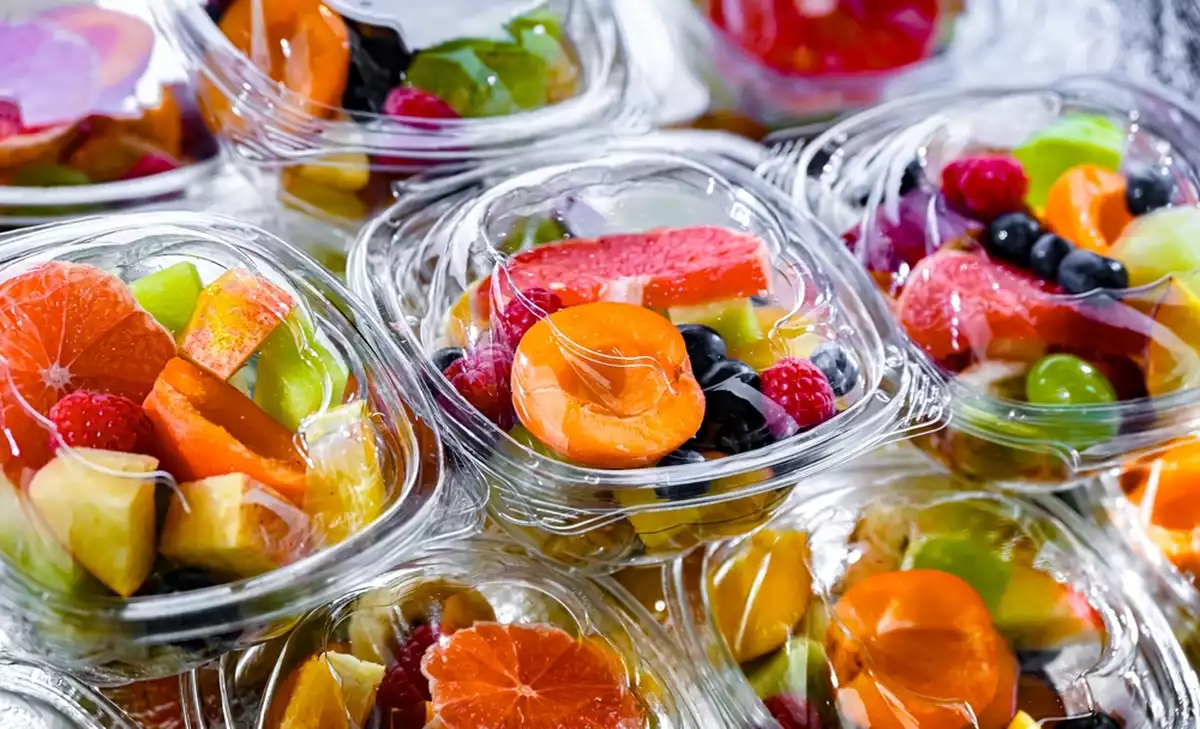
One of vinyl’s most important advantages is its ability to block external contaminants. Vinyl packaging creates a strong barrier against oxygen, moisture, and bacteria—all of which contribute to food spoilage. This barrier helps extend shelf life and maintain freshness, especially for perishable goods like meat, dairy, and produce.
2. Reducing Food Waste
According to the USDA, billions of pounds of food are wasted every year, much of it due to spoilage.
When food stays fresh longer, fewer products get discarded, saving money and conserving resources from farm to fork.
3. Supporting Consumer Safety
Vinyl safety is a top priority in food packaging design. Food safe vinyl is specifically engineered to meet FDA and other international health standards for direct contact with food. It’s chemically stable, meaning it won’t react with acidic or fatty foods, and it’s resistant to leaks or punctures that could lead to contamination.
4. Durability Under Pressure
Food packaging needs to survive rough handling during transport, on shelves, and in household use. Vinyl bags are flexible yet strong, able to withstand stretching, compression, and punctures without tearing or leaking.
This reduces the likelihood of product damage and contamination, improving overall food handling and customer experience.
5. Versatile Packaging Options
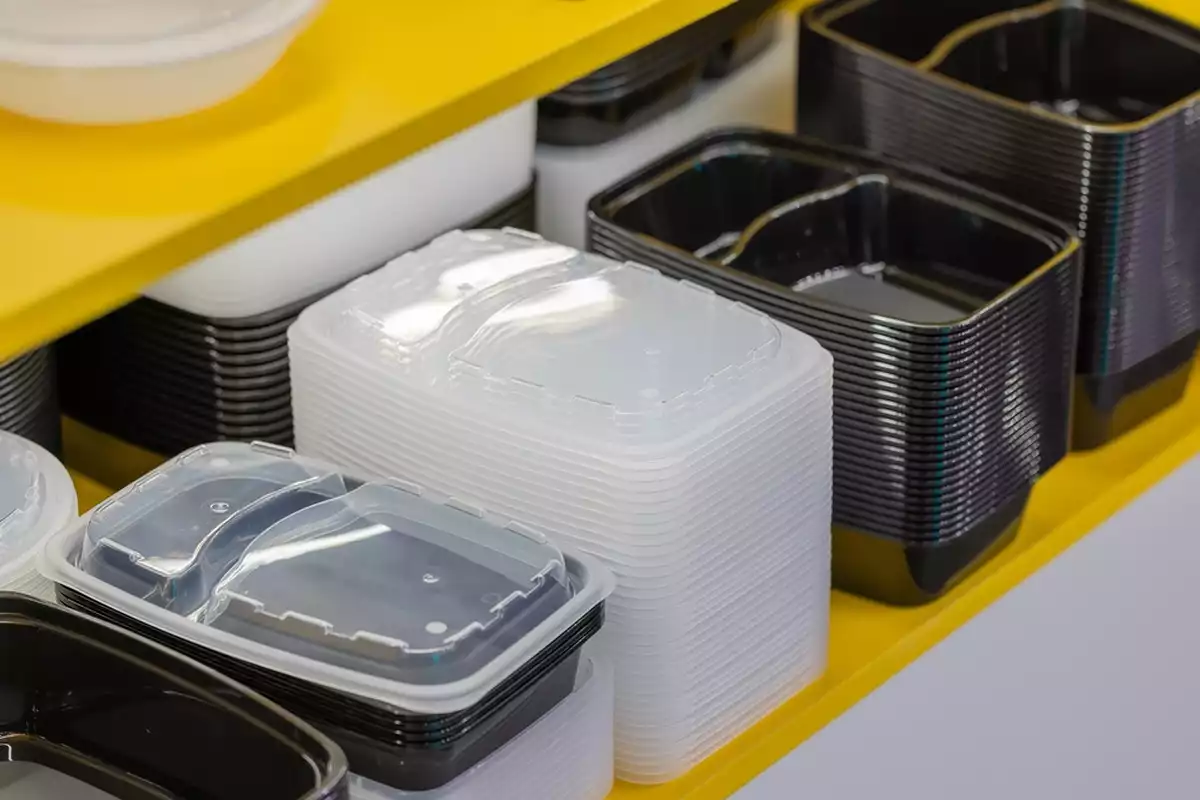
Vinyl’s adaptability also supports branding and consumer appeal. It can be printed on, textured, or layered with other materials for added function or aesthetics. Whether for industrial food processors or artisanal snack companies, vinyl packaging offers form and function.
6. Eco-Friendly Potential
While vinyl isn’t biodegradable, it does have a long life cycle and can be recycled in many formats. In fact, many eco-friendly packaging programs now include vinyl take-back initiatives for clean materials.
Because vinyl protects food so well, it indirectly supports sustainability by lowering the amount of energy, water, and emissions wasted in producing food that ends up being thrown away. Plus, vinyl packaging’s lightweight design reduces transportation emissions compared to heavier alternatives like glass or metal.
Innovations in recyclable vinyl packaging bags and production methods continue to make vinyl more environmentally responsible, without sacrificing food protection.
7. Trusted Across the Supply Chain
From food manufacturers to retailers to consumers, vinyl safety is trusted throughout the supply chain. It performs consistently across temperature changes, holds up under mechanical stress, and complies with strict regulatory requirements. Whether used in large-scale food distribution or local farmers’ markets, vinyl remains a reliable solution.
Its proven track record is why food safe vinyl continues to be widely used in both everyday grocery packaging and specialized applications like sous vide cooking or long-haul transport of fresh goods.
The Bottom Line: A Material That Protects and Performs
When it comes to food packaging, there’s a lot riding on material choice. Food must be kept safe, fresh, and appealing—all while minimizing waste and environmental impact. Vinyl packaging checks all these boxes.
With its exceptional barrier properties, proven safety profile, and flexible packaging solutions, vinyl material helps ensure food security across the globe. As consumer demand grows for both protection and sustainability, vinyl is evolving to meet those needs—one safe, durable, and smartly designed vinyl bag at a time.
For more information, contact us today!