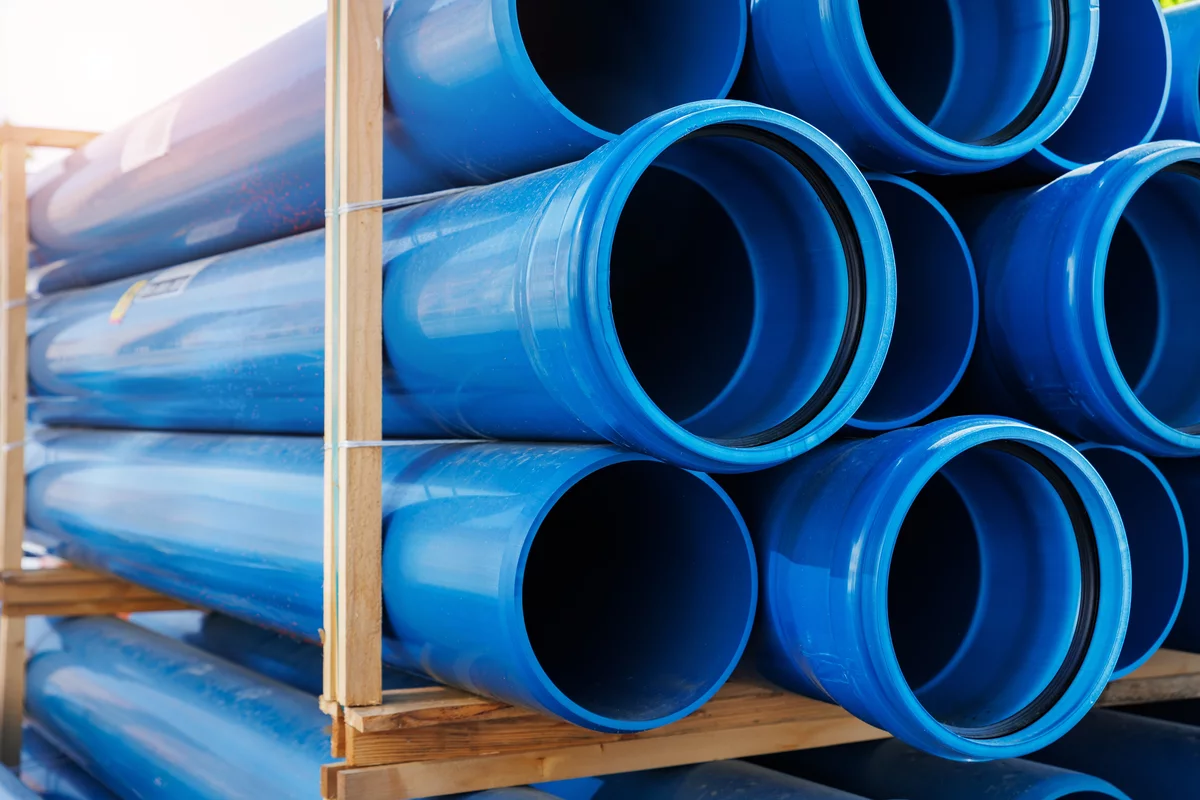
Choosing Quality: The Performance and Safety of Modern PVC Water Pipes
TL;DR: Modern PVC water pipes provide engineers, municipalities, and public officials with a durable option for clean drinking water delivery. Understanding their material properties, certification requirements, and long-term performance can help decision makers evaluate PVC based on science and established standards.
- PVC doesn’t rust or corrode like metallic piping materials.
- Potable-water PVC piping must be tested and certified to established drinking water standards.
- Smooth interior surfaces resist scaling and support hydraulic efficiency.
- PVC pipes can provide a service life of 100 years or more when properly designed and installed.
- Corrosion resistance, durability, and leak-resistant joints support long-term water infrastructure performance.
Reliable drinking water depends on infrastructure designed to perform for decades. Engineers and public officials must consider how piping materials affect water quality, system reliability, maintenance requirements, energy use, and long-term public investment.
Modern PVC water pipes have been used in municipal drinking water systems for decades. Their resistance to corrosion, smooth interior surfaces, long service life, and established potable water certifications make them an important material for decisionmakers to understand.
Why Corrosion Resistance Matters for Drinking Water
One of PVC’s defining characteristics is its resistance to corrosion. Unlike metallic piping materials, PVC piping does not rust and does not depend on protective coatings or linings to protect the pipe itself from corrosion.
PVC does not undergo the electrochemical corrosion that affects metallic piping. Its smooth, noncorroding interior can also reduce susceptibility to tuberculation, although mineral scaling and other deposits may still occur depending on water chemistry and operating conditions.
By resisting corrosion and buildup, PVC can maintain a relatively smooth interior surface throughout its service life. This supports hydraulic efficiency while reducing corrosionrelated maintenance concerns.
Are PVC Pipes Safe for Drinking Water?
Questions such as “Is PVC pipe safe for drinking water?” and “Are PVC pipes safe for drinking water?” are understandable when communities are evaluating materials that will come into contact with drinking water.
In North America, the major drinking water standard is NSF/ANSI/CAN 61, which establishes health-effects requirements for products, components, and materials that come into contact with drinking water. PVC pipe intended for potable-water applications must be tested and certified to applicable requirements under this standard.
The standard evaluates substances that could potentially migrate from materials into drinking water and establishes acceptance criteria.
Modern rigid PVC drinking water pipe is considered a “rigid” material, meaning it doesn’t require any ingredients used to make certain vinyl products flexible. In fact, in order for rigid PVC pipe to hold water under pressure, it simply has to be formulated without those ingredients. This distinction is important because formulations vary substantially among different types and uses of vinyl.
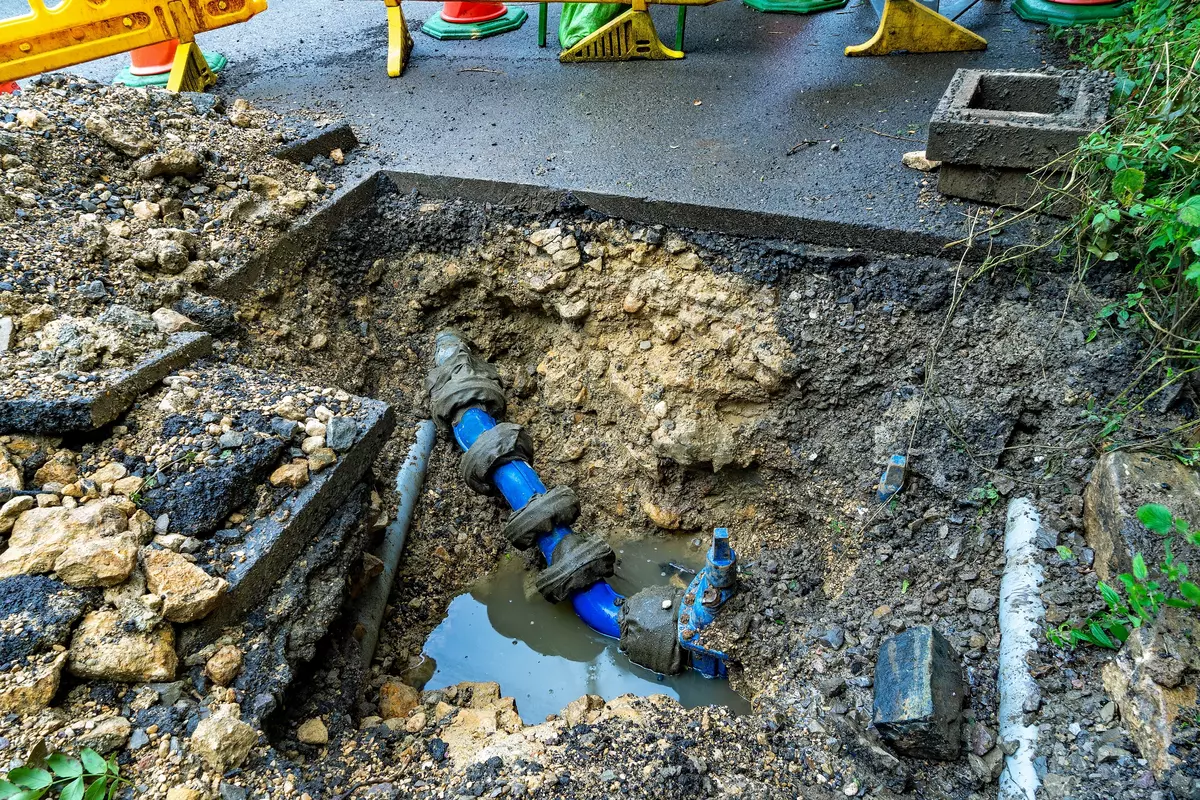
Can PVC Pipe Be Used for Water Supply?
PVC pipe is widely used in municipal and other water supply systems. Its corrosion resistance, smooth interior surface, durability, lightweight construction, and leak-resistant joints are among the characteristics considered when selecting pipe for modern water infrastructure.
PVC pipe can have a service life of 100 years or more when appropriately designed, manufactured, installed, operated, and maintained, according to a 2014 Utah State University study that reviewed field excavations, testing data, and prior pipe-performance research.
Leak resistance can provide another benefit. Tight-sealing PVC pipe joints are designed to limit leakage, helping utilities conserve treated water and the energy already used to collect, treat, pump, and distribute it.
Performance and Sustainability Go Hand in Hand
Infrastructure that performs reliably over a long service life can reduce the resources associated with frequent repair and replacement. PVC’s lightweight construction can also provide efficiencies during transportation and installation, while its smooth interior can support hydraulic efficiency over time. That means lower energy required for pumping water, and a lower carbon footprint for the entire piping infrastructure.
.
Choosing Materials Based on Performance and Evidence
The pipes installed beneath a community today may continue serving residents for generations. Choosing materials for those systems therefore requires more than assumptions about a particular material category.
Modern PVC water pipes offer a combination of corrosion resistance, hydraulic efficiency, leak-resistant performance, long service life, and established pathways for potable water certification. These characteristics give engineers and public officials measurable factors to consider when evaluating PVC for clean drinking water delivery.
As communities replace aging systems and plan future infrastructure investments, science, standards, and lifecycle performance can help guide informed material decisions. Understanding how PVC actually performs allows decision-makers to evaluate its role in building reliable, efficient, and sustainable water infrastructure for the communities they serve.
For more information, contact us today!