Facts vs. Fiction: Understanding the Science Behind PVC Safety
TL;DR: PVC safety depends on the finished product, formulation, certification, and intended use, not fear surrounding raw vinyl chloride monomer. Modern finished PVC has decades of safe performance in regulated applications, including water infrastructure and medical care, when manufactured and used according to strict standards.
- Finished PVC is a stable, inert polymer and is not classified by the National Cancer Institute as a known or suspected carcinogen.
- Drinking-water PVC pipe must meet NSF/ANSI/CAN 61 testing for chemical migration and toxicology before certification.
- Additives are regulated by application, with modern formulations reducing reliance on legacy plasticizers like DEHP.
- Medical-grade vinyl supports blood bags, IV tubing, and other devices through durability, flexibility, and FDA-regulated biocompatibility.
- Credible PVC safety claims come from peer-reviewed research, independent testing, and regulatory standards.
Finished PVC is a stable polymer used across many consumer and industrial applications, with safety determined by product formulation, certification, and intended use. Even so, it’s possible that you’ve heard worrisome rumors that it’s unsafe. The truth is that public anxiety almost always stems from a fundamental misunderstanding of basic chemistry. Often, individuals confuse the raw gas used to create the plastic with the inert, finished material used in homes and hospitals.
Evaluating PVC safety should involve looking at peer-reviewed data and rigorous product certifications rather than trusting sensationalized headlines.
If you’re currently evaluating whether or not PVC is safe, we encourage you to look at the complete lifecycle of the finished product. There are strict regulatory standards governing its production, and it has a history of safe performance over decades of real-world use. We’ll explain more about that below.
Why Do People Ask If PVC Is Dangerous?
The confusion usually traces back to raw manufacturing components. Polyvinyl chloride begins with vinyl chloride monomer, a highly regulated gas and a known carcinogen in its raw state. Through polymerization, vinyl chloride monomer is converted into PVC, a stable solid polymer with different properties and exposure considerations. Each has different properties and exposure risks.
The National Cancer Institute confirms that finished PVC itself is not a known or suspected carcinogen. Regulatory agencies maintain distinct safety protocols for manufacturing plants handling the raw monomer compared to the handling of finished, fabricated vinyl products.
Is PVC Safe for Drinking Water Pipes?
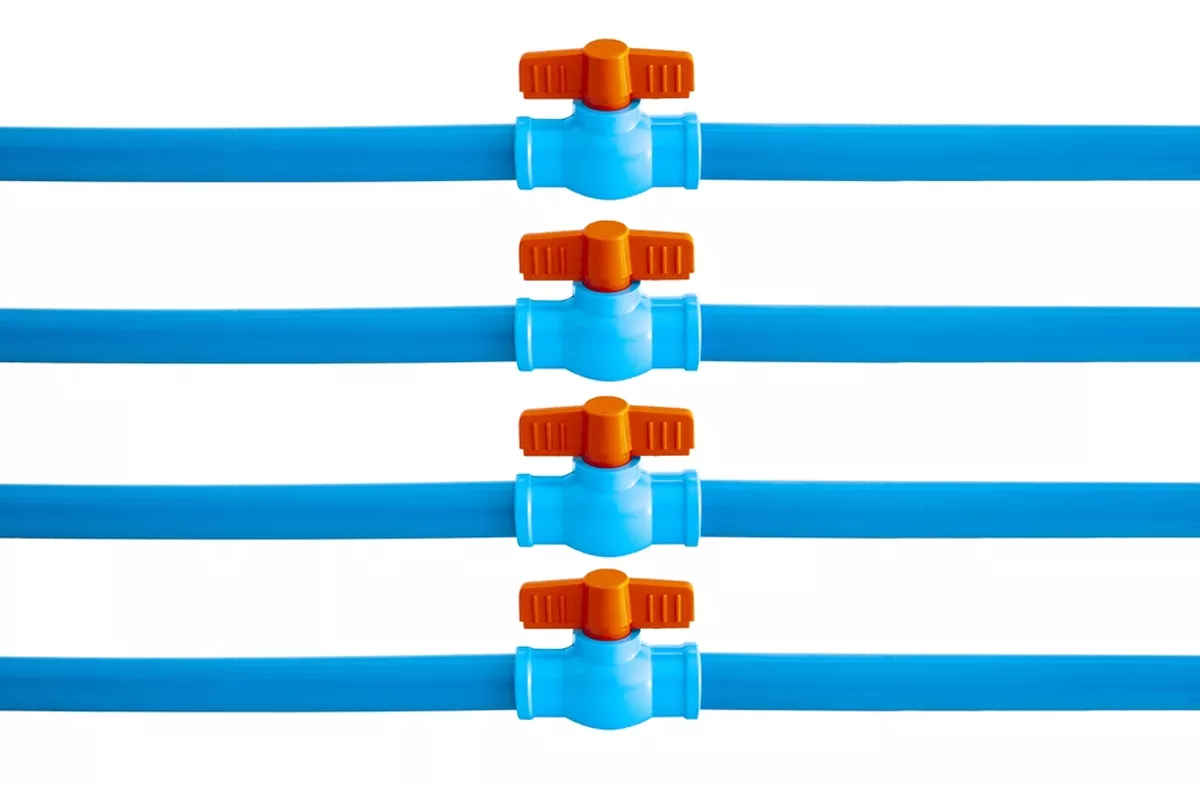
Yes, PVC pipe used in water infrastructure is highly regulated and safe for municipal water distribution when certified to applicable drinking-water standards. PVC does not rust, and certified PVC pipe can help avoid corrosion-related issues associated with some older metallic systems; however, microbial control in any drinking-water system depends on design, disinfectant residual, water chemistry, and maintenance.
To earn certification for drinking water systems, these products must pass NSF/ANSI/CAN 61 standards, which were developed at the request of the EPA. This certification involves rigorous chemical-extraction testing and toxicology evaluations to ensure chemical migration remains within strict health-based limits. This established testing framework provides a definitive answer to public concerns about whether or not vinyl is safe for public infrastructure.
Is Vinyl Dangerous When It Contains Additives?
Raw PVC resin is blended with stabilizers or plasticizers to achieve specific properties, allowing engineers to turn a rigid pipe material into a flexible medical tube. Those additives are tightly regulated based on end-use of the PVC.
Whether or not vinyl that contains additives is dangerous depends on the specific application and formulation. A rigid water pipe requires a completely different regulatory evaluation than a flexible household product.
Historically, concerns have centered on specific legacy plasticizers, such as DEHP. Today, many modern formulations now use alternative plasticizers selected for specific safety and performance requirements.
Is Vinyl Safe for Use in Modern Medical Care?
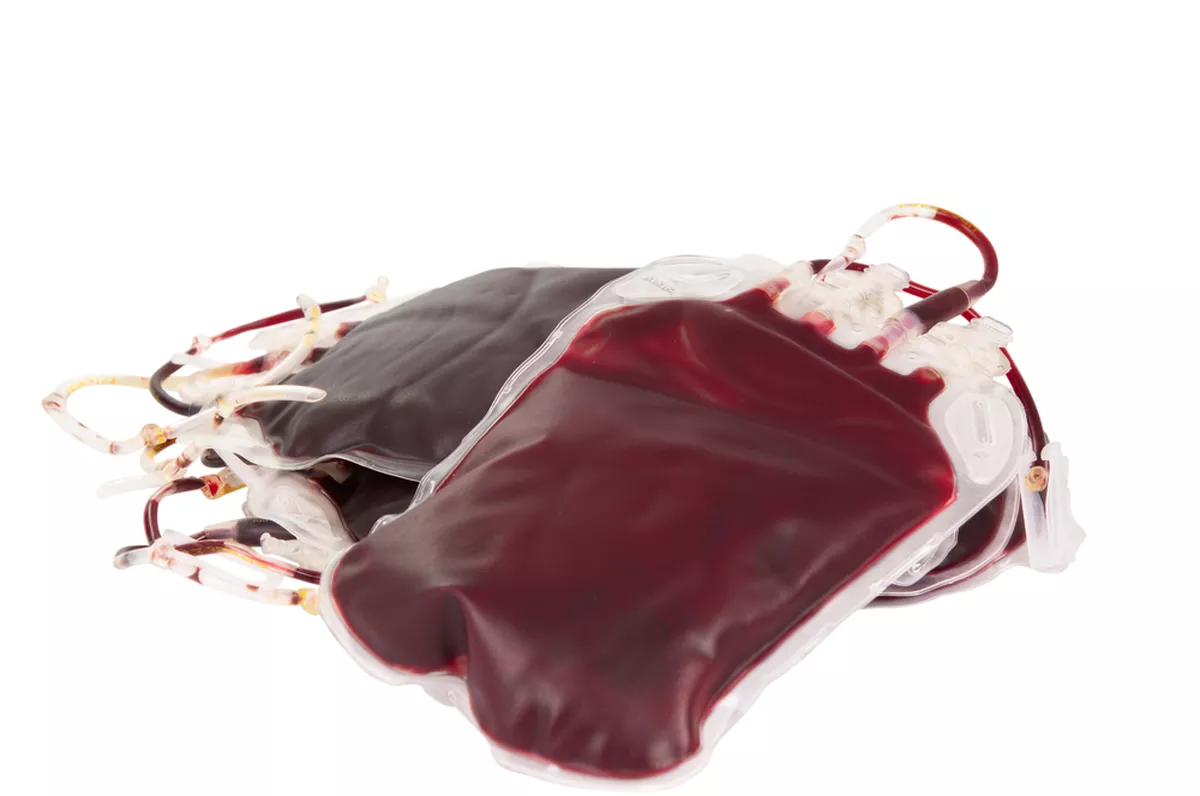
Specialized medical-grade vinyl is widely used in medical supplies such as blood bags, IV tubing, and related devices because it can be formulated for flexibility, durability, clarity, and sterilization compatibility.
Peer-reviewed research shows that vinyl’s chemical stability prevents contamination and preserves the shelf-life of blood components during storage. The healthcare sector relies on stringent FDA oversight to ensure that medical-grade formulations meet exact biocompatibility thresholds. Vinyl safety is built directly into the engineering of the material.
Where Can You Verify Credible Data on Vinyl Safety?
Independent laboratory testing and global manufacturing standards, plus objective data, are the true measures of PVC safety. For food-contact and medical applications, applicable federal requirements and product-specific testing help determine whether a formulation is appropriate for its intended use, and independent certifying bodies continuously audit industrial components.
When manufactured under modern regulatory frameworks and utilized for its intended purpose, PVC functions as a stable, dependable resource that underpins critical modern infrastructure.
Contact the Vinyl Institute to learn more about PVC performance and safety standards across industries.