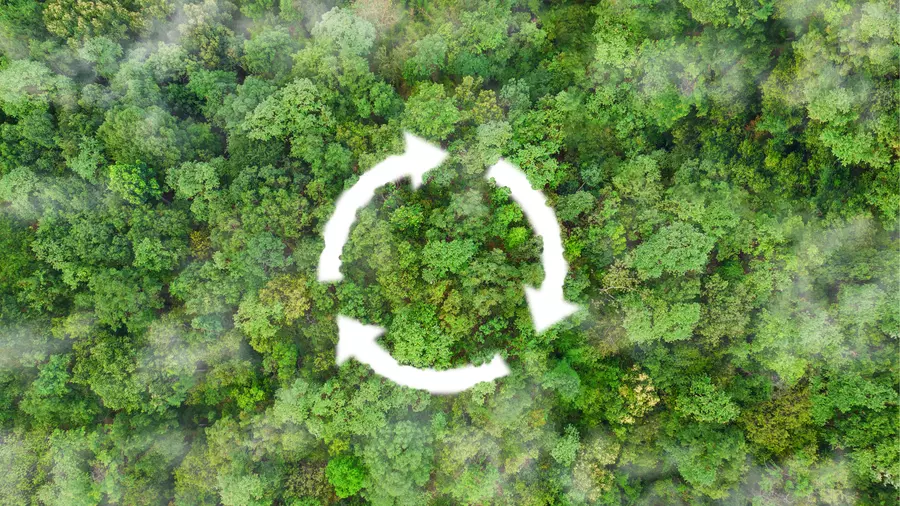
Why Circularity is Key to Long-Term PVC Sustainability
TL;DR: Circularity is becoming a major part of long-term PVC sustainability efforts. By keeping vinyl materials in use through recycling, recovery, and reuse, organizations can reduce waste, conserve resources, and support more sustainable manufacturing systems.
- Circularity focuses on extending the life of PVC materials instead of following a “make-use-dispose” model.
- PVC supports circular systems because it is durable, long-lasting, and mechanically recyclable.
- Product design, collection programs, recycled content, and industry partnerships all help improve PVC circularity.
- Many vinyl materials, including pipes, flooring, siding, and window frames, can already be recycled and reused.
- Clean, single-stream PVC waste is generally easier to process and produces higher-quality recycled material.
PVC has long been valued for its durability, versatility, and cost-effectiveness. That’s why it has a wide range of applications, ranging from medical products to window frames. But as sustainability becomes a larger priority across industries, the conversation around PVC is changing.
At first, production is the heart of the initiatives. However, environmentally conscious organizations are also zeroing in on what happens to their products after use.
For decades, many industries followed a linear model of production: manufacture products, use them, then dispose of them. In turn, it creates large amounts of waste and increases demand for new raw materials.
Circularity offers a different approach. Instead of treating materials as disposable, circular systems aim to keep products and resources in use for as long as possible.
For PVC, this shift is especially important. Because vinyl products are durable and can often be recycled multiple times, they are well-suited for long-term circular use.
What Circularity Means for PVC Sustainability
In the context of PVC sustainability, circularity means extending the life of materials through reuse, recycling, recovery, and re-manufacturing. The main goal is to reduce waste while minimizing the need for virgin raw materials.
Circular systems focus on creating a continuous material loop. Products are designed, collected, processed, and reused in ways that preserve their value for as long as possible.
PVC plays an important role in circular systems because of its physical properties and long service life. Many vinyl products are designed to last for decades, which already reduces the frequency of replacement and material consumption. In addition, PVC can often be mechanically recycled and reused in new applications without losing essential performance characteristics.
Key characteristics that support PVC circularity include:
- Durability: PVC products are resistant to moisture, corrosion, and weathering, helping them remain in service for long periods with minimal maintenance.
- Long lifespan: Many vinyl applications, including pipes and window profiles, can remain functional for several decades before replacement is needed.
- Can be mechanically recycled multiple times: PVC can often be processed, re-melted, and manufactured into new products, helping extend material life and reduce waste.
These qualities make PVC especially useful in long-life applications where sustainability relies on material efficiency and lifecycle performance.
How to Build Circularity into PVC Operations
Circularity improves resource efficiency by keeping valuable materials in circulation instead of treating them as disposable after a single use cycle. Here are five practical ways organizations can build circularity into PVC operations.
1. Design Products for Recycling
Products designed with recycling in mind are easier to separate, collect, and reprocess at end-of-life. Manufacturers can support recovery efforts by reducing mixed-material components, using standardized materials, and designing products that are easier to disassemble.
2. Expand Collection and Take-Back Programs
Collection systems are essential for keeping PVC waste out of landfills. Take-back initiatives, construction-site recycling programs, and flooring or pipe reclamation systems are post-consumer recycling efforts that help return used vinyl products to the manufacturing cycle instead of sending them to disposal facilities.
Resources such as this Vinyl Recycling Directory can also help businesses locate recyclers and recovery partners for post-use PVC materials.
3. Increase the Use of Recycled PVC Content
Manufacturers can also incorporate recycled PVC into new products without sacrificing durability or performance. Recycled material is already used in products such as window profiles, pipes, commercial flooring, and roofing membranes.
4. Partner with Industry Recycling Programs
Industry collaboration strengthens recycling infrastructure and improves material recovery rates. Organizations such as the Vinyl Institute support sustainability initiatives focused on recycling, material recovery, and circular product development.
Closed-loop manufacturing systems, regional recycling networks, and stewardship programs also help companies scale circular operations more effectively.
5. Educate Customers and Contractors
Circularity depends on proper handling after a product reaches end-of-life. Clear labeling, recycling guidance, contractor training, and consumer education all improve sorting and collection efforts. Better awareness can reduce contamination in recycling streams and increase the amount of PVC material successfully recovered for reuse.
What Types of PVC Can Be Recycled?
Recycling plays an important role in circularity, but the two are not identical. It’s a process within a larger system designed to extend material life, reduce waste, and recover resources. Circularity also includes reuse, repair, product longevity, and recovery programs that keep materials in use longer.
Several types of vinyl materials can already be recycled and reprocessed into new products:
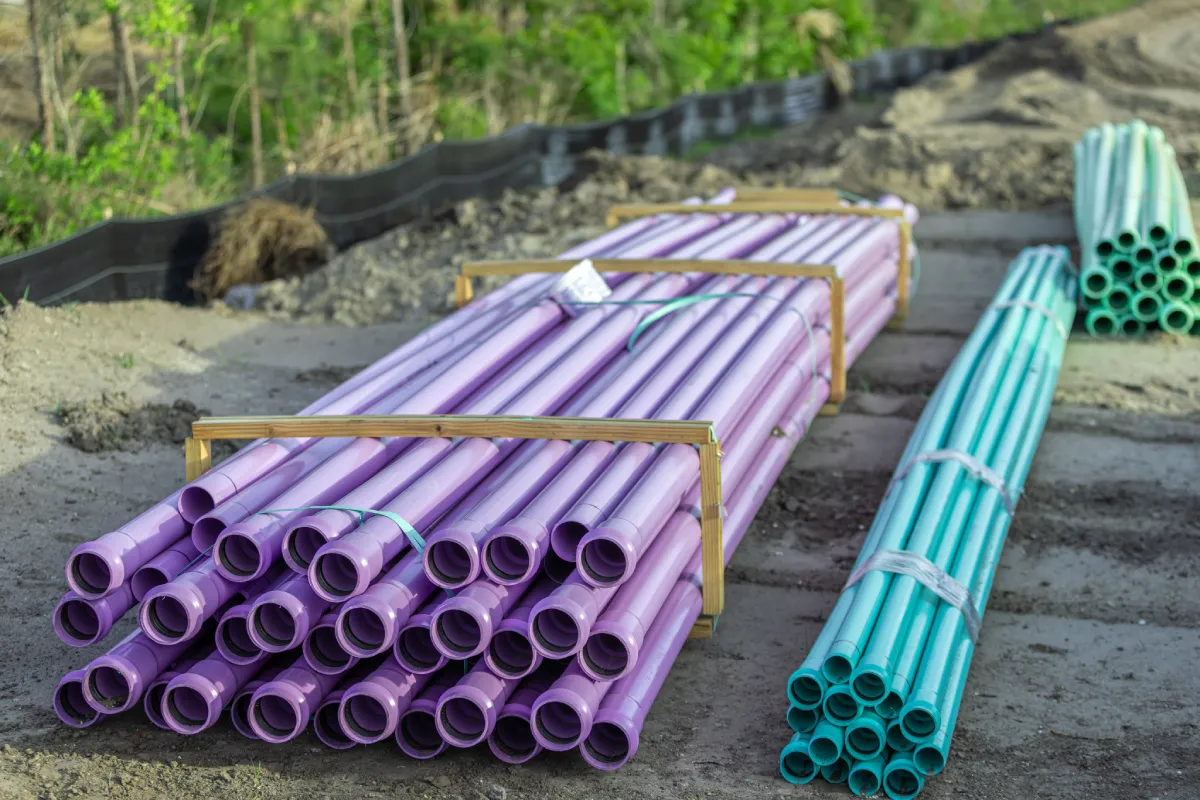
- PVC pipes and conduits: Common in construction and infrastructure projects due to their long lifespan and consistent material composition.
- Window frames: Frequently recovered during renovation and replacement projects for reuse in new building materials.
- Vinyl siding: Can often be collected and recycled during demolition or exterior remodeling work.
- Commercial flooring: Sustainable flooring manufacturers often operate reclamation programs that recover used vinyl flooring materials.
- Roofing membranes: Used roofing membranes can sometimes be processed and reintroduced into new roofing products.
- Cable insulation: PVC insulation recovered from electrical and industrial applications may be recycled into secondary-use products.
- Industrial scrap: Manufacturing offcuts and production scrap are among the most commonly recycled PVC materials due to their clean and consistent quality.
Single-stream PVC is generally easier to recycle because it contains fewer mixed materials and less contamination. Clean, separated vinyl waste can be processed more efficiently and often produces higher-quality recycled material.
To learn more about circularity, recycling programs, PVC safety, and sustainability efforts across the vinyl industry, reach out to us. Industry collaboration and continued investment in recovery infrastructure will play a major role in advancing long-term PVC sustainability.