How PVC Sustainability Reduces Waste and Saves Energy
TL;DR: PVC sustainability extends beyond recycling. Because many PVC products are designed to remain in service for decades with limited maintenance, their durability can reduce the materials, energy, transportation, and resources associated with frequent repair and replacement.
- Long-lasting PVC products can help conserve resources and reduce replacement-related waste.
- Low maintenance requirements can decrease energy and material demands throughout a product’s useful life.
- PVC can be recycled and incorporated into new products in appropriate applications.
- Vinyl recycling helps keep valuable material in use and supports greater circularity.
- Considering the entire lifecycle provides a more complete picture of a material’s environmental performance.
Sustainability conversations often focuses on what happens to a product at the end of its useful life. While end-of-life management matters, understanding environmental performance means looking at the entire lifecycle.
For long-lasting materials, years of use can significantly shape that lifecycle. Products that require fewer replacements and less ongoing maintenance can reduce demand for additional raw materials, manufacturing, transportation, and installation. Looking at these factors can help provide a more complete picture of how material choices can influence energy consumption, resource use, and waste over time.
How long does a product remain useful? How much maintenance does it require? How often must it be repaired or replaced?
These questions are essential to PVC sustainability. The most prevalent use of vinyl is in long-term applications ranging from building materials to water and sewer infrastructure. Its durability and relatively low maintenance requirements can help conserve resources throughout decades of use.
Durability Can Reduce Waste and Resource Use
Products require materials and energy to manufacture, transport, install, maintain, and eventually replace. Extending a product’s useful life can reduce how frequently many of these processes need to occur.
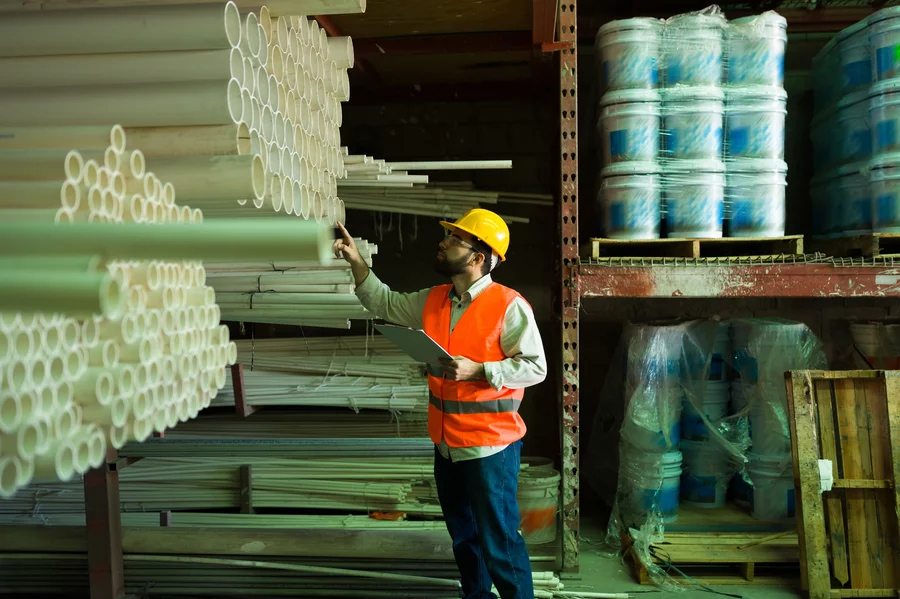
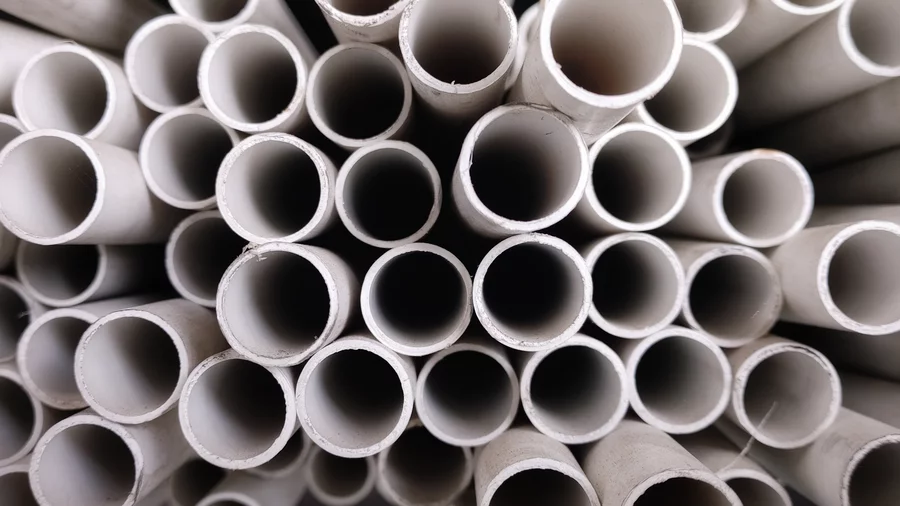
Many PVC products are designed for long-term applications. PVC pipe, for example, can provide a service life of 100 years or more when properly designed and installed. Other durable uses of vinyl material include siding, roofing membranes, flooring, windows, and electrical products.
When products remain functional longer, fewer replacement materials may be needed and less material may enter the waste stream. This is why sustainability is better understood across a complete lifecycle rather than through one characteristic alone.
Low Maintenance Can Help Save Energy
Environmental impacts continue after a product is installed. Maintenance may require additional materials, transportation, equipment, and energy throughout its service life.
PVC resists moisture, weathering, and corrosion in many applications. Some vinyl products can therefore perform without the repeated painting, coatings, or corrosion protection required by certain alternative materials.
PVC piping demonstrates how these characteristics can affect operational efficiency. Its resistance to internal corrosion and buildup helps maintain a smooth interior surface. In water systems, this can help preserve hydraulic efficiency and limit increases in pumping energy over time.
For decision-makers, considering maintenance alongside service life provides a more complete understanding of a material’s long-term resource requirements.
Durability Supports Sustainable Infrastructure
The connection between longevity and sustainability is particularly clear in infrastructure.
PVC piping resists corrosion and uses tight-sealing joints designed to help limit leaks. In sustainable water infrastructure, reducing treated-water loss also conserves the resources and energy already used to collect, treat, and distribute that water.
PVC’s relatively lightweight construction can also provide efficiency ies during transportation and installation, while a long service life can reduce the frequency of resource-intensive replacement projects.
These characteristics demonstrate why water infrastructure solutions should be evaluated beyond upfront requirements. Long-term energy use, maintenance, resource conservation, and replacement can all influence environmental performance.
Recycling Keeps Vinyl Material in Use
A common misconception is that PVC cannot be recycled. In reality, PVC is a thermoplastic and can be processed for use again in appropriate applications when collection and recycling infrastructure is available.
Vinyl recycling includes both pre-consumer material generated during manufacturing and post-consumer products recovered after use. Depending on the product, formulation, condition, and available recycling infrastructure, recovered PVC can become feedstock for new applications.
Recycling complements durability. Long service lives keep products performing their original function, while recycling can provide opportunities for the material to remain productive after that function ends.
Circularity Looks Beyond End-of-Life Recycling
Recycling and circularity are related, but circularity considers more than what happens at the end of a product’s first use.
A circular approach seeks to keep products and materials in productive use for as long as practical. Durability, maintenance, reuse, recovery, and recycling can all contribute to circularity.
For PVC, a long service life can help prevent waste, while recycling can extend the usefulness of material after its original application. Together, these characteristics illustrate why evaluating the complete lifecycle is important when discussing material sustainability.
Understanding PVC Sustainability Across the Lifecycle
PVC sustainability is about more than a single environmental characteristic. Durability can reduce the need for replacement, while low-maintenance properties can conserve resources during use. In infrastructure applications, corrosion resistance, hydraulic efficiency, and leak resistance can contribute to long-term energy and resource conservation.
Recycling adds another opportunity to keep valuable material in circulation.
Considering these characteristics together gives policymakers, industry professionals, and consumers a stronger foundation for understanding how long-lasting materials can help reduce waste and energy consumption over time.
For more information, contact us today!