
This website uses cookies so that we can provide you with the best user experience possible. Cookie information is stored in your browser and performs functions such as recognising you when you return to our website and helping our team to understand which sections of the website you find most interesting and useful.

News
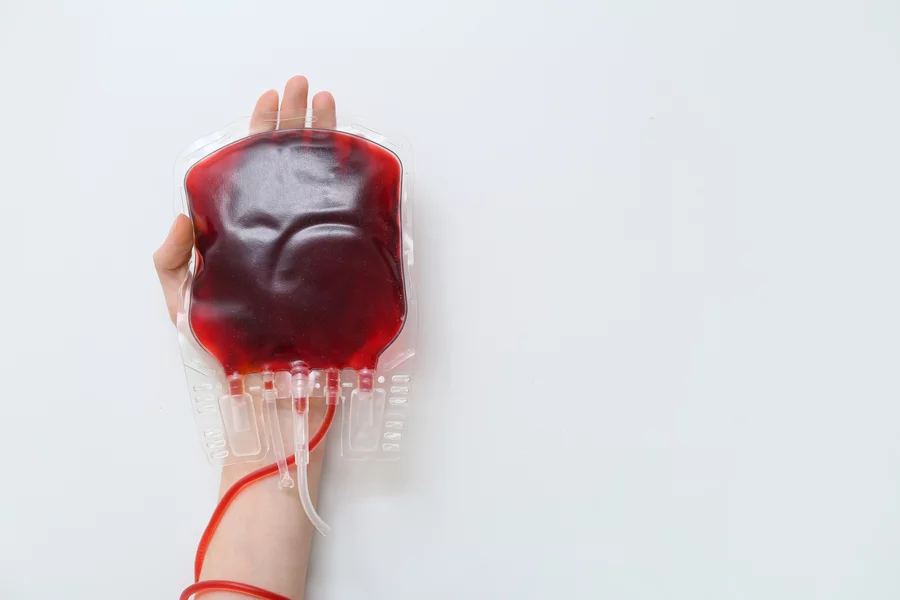
Why PVC Matters: The Proven Safety Record of PVC Blood Bags
TL;DR: PVC blood bags are the trusted standard for blood storage worldwide, thanks to the unique properties of vinyl material. This blog explores why polyvinyl chloride (PVC) is the preferred choice for blood banks and medical devices—highlighting its unmatched safety, performance, and durability.
- PVC material is flexible, strong, and resistant to cold—ideal for transporting and storing blood safely.
- Backed by decades of use, PVC safety is well-established and meets rigorous medical standards.
- Blood banks and hospitals rely on PVC blood bags to preserve blood quality and enable component separation.
- New advances in medical-grade plasticizers continue to uphold vinyl safety standards.
- Among all types of plastics, PVC remains the leading choice for blood bag material in transfusion medicine.
Whether for routine procedures or emergency care, PVC continues to deliver life-saving reliability in every drop.
In modern healthcare, few materials have had a greater impact on life-saving medical care than polyvinyl chloride (PVC). One of its most critical applications? PVC blood bags—an innovation that has revolutionized blood storage and transfusion safety for decades.
From their durability and flexibility to their long-standing use in hospitals worldwide, PVC blood bags are the gold standard for blood storage. But with increased scrutiny around the types of plastics used in medical devices, it’s important to understand why PVC material continues to be trusted in critical care settings—and why its safety record stands strong.
The Life-Saving Innovation Behind PVC Blood Bags
Before the 1950s, blood storage relied on fragile glass bottles—heavy, breakable, and impractical for emergency settings. Then came the introduction of vinyl material, specifically PVC, which allowed the development of flexible, sterile, and reliable blood bags.
These blood bags quickly became essential for blood banks, mobile donation centers, and hospitals. Why? Because PVC blood bags provide the ideal combination of features needed to protect one of the most precious resources in medicine: donor blood.
What Makes PVC Ideal for Blood Storage?
Not all blood bag materials are created equal. PVC has a unique combination of physical properties that make it superior for blood storage and delivery:
- Durability: PVC blood bags resist tearing and punctures, even under pressure or cold storage conditions.
- Flexibility: They can expand and contract without compromising the seal, ensuring safe handling and transport.
- Temperature resistance: PVC maintains its integrity in cold storage, keeping blood stable during refrigeration and transport.
- Transparency: Healthcare professionals can visually inspect the contents without compromising sterility.
These features make polyvinyl chloride (PVC) the preferred plastic for medical devices that require both safety and performance.
Proven PVC Safety in Medical Use
With decades of clinical application, PVC safety is well-established. In fact, vinyl safety in medical settings is one of the most studied and documented of any plastic material. PVC’s biocompatibility—the ability to safely interact with human tissue and blood—is a major reason it has become the trusted material in transfusion, dialysis, IV therapy, and more.
The Role of Plasticizers in PVC Blood Bags
PVC is naturally rigid, so it’s made flexible with plasticizers—additives that give blood bags their signature pliability. Medical-grade plasticizers are thoroughly tested for biocompatibility, and advancements continue to improve formulations to ensure the highest vinyl safety standards.

Why Blood Banks and Hospitals Still Choose PVC
There are many types of plastics used in healthcare, from polypropylene to polyethylene. But when it comes to storing blood safely and effectively, PVC material continues to lead the way.
Blood banks rely on PVC for several key reasons:
- It maintains blood integrity longer.
- It enables safe separation of components like plasma and platelets.
- It is cost-effective, supporting wide accessibility for public health systems.
In short, PVC blood bags are not just a technical choice—they’re a life-saving standard.
Defending the Reputation of Vinyl Material
Despite its outstanding track record, vinyl material sometimes faces criticism from those unfamiliar with its extensive safety data. That’s why the Vinyl Institute and other industry leaders continue to champion PVC safety through research, education, and transparency.
When it comes to medical applications, materials must be chosen based on science, performance, and patient outcomes. And PVC, with its unmatched record in blood storage, remains a clear winner.
PVC: A Material That Saves Lives
Whether it’s a trauma center needing emergency blood, a child receiving treatment for anemia, or a donor supporting their community, PVC blood bags are there—quietly, reliably doing their job.
The vinyl material behind these bags has proven, time and time again, that it can meet the highest demands of medicine: safety, reliability, and performance.
At a time when public trust in materials matters more than ever, polyvinyl chloride (PVC) continues to deliver on its promise—one drop of blood at a time.
For more information, contact us today!