Make an Impact with PVC Recycling
Be a part of a global effort to mitigate the environmental impact of plastics, specifically polyvinyl chloride (PVC). A lot of people ask, “where can I recycle my used PVC products?” PVC recycling is the process of recovering and reprocessing PVC after it has been used either by a manufacturer (post-industrial) or in the market (post-consumer). Recycled PVC is converted every day into new products, reducing landfill waste and conserving resources. PVC is an important material for everyday life, and it’s important to continue to find ways to increase its positive impact while reducing its environmental footprint. Join us in making a difference—find out where you can recycle PVC today.
Did You Know?
1.13 billion
lbs of PVC was recycled in 2024
71 million
lbs of post-consumer PVC was recycled in 2024, largely from materials that came out of long-service-life applications installed years ago
Nearly 70%
of PVC has a service life of 15-100 years or more
How We’re Helping Companies Reach the Industry’s Post-Consumer Recycling Goal
Launched by the Vinyl Institute in 2023, VIABILITY is a U.S. industry-wide grant program accelerating post-consumer PVC recycling. The program offers individual grants to help organizations expand PVC collection and reuse—supporting the industry’s goal to increase the volume of recycled vinyl materials.
VIABILITY Recycling Grant Program Successes
Revinylize
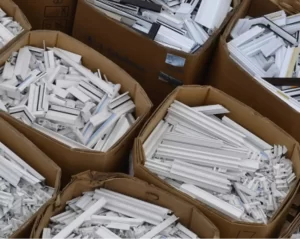
Revinylize, a collaborative recycling initiative, expands post-consumer rigid PVC recycling across the United States.
Green Eagle
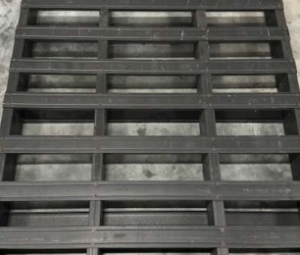
Green Eagle, a PVC product manufacturer in South Carolina, used a VIABILITY grant to develop durable shipping pallets made from post-consumer PVC, expanding reuse of difficult-to-recycle vinyl and offering an alternative to traditional wood pallets.
Allied Industries
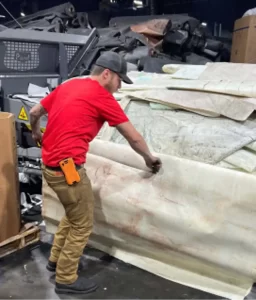
Allied Industries, a South Carolina flooring manufacturer, used a VIABILITY grant to add automated equipment that increases recycling of post-consumer PVC into commercial products made with 100% recycled vinyl.
Exeon
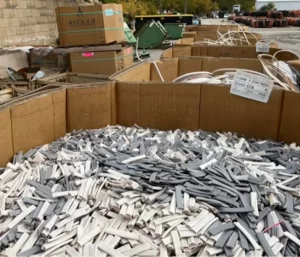
Exeon, a recycling company in Indiana, used a VIABILITY grant to purchase electrostatic separation equipment that improves recovery of post-consumer PVC from mixed plastics, significantly increasing their recycled PVC output and reducing landfill waste.
Avery Auto Mats
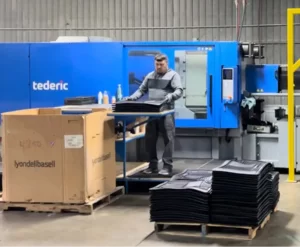
Avery Auto Mats, a Georgia-based manufacturer of automotive mats and accessories, used a VIABILITY grant to invest in new injection molding equipment and secure additional sources of post-consumer vinyl, boosting efficiency and diverting more PVC from landfills.
Every Shelter
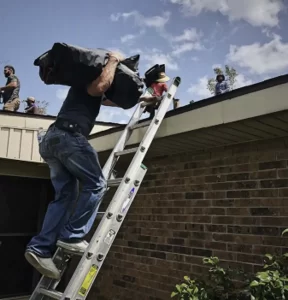
Every Shelter, a Houston-based nonprofit, repurposes used vinyl billboards into durable emergency tarps for disaster relief, diverting significant PVC from landfills while providing longer-lasting shelter solutions.
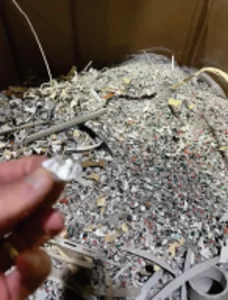
Lastique
Lastique, a Louisville PVC recycler, used a VIABILITY grant to enhance its post-consumer PVC recycling capabilities and increase recovery of recycled vinyl materials for reuse.
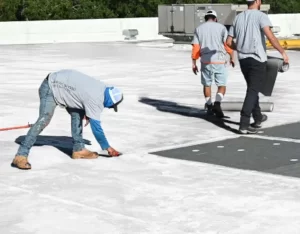
CFFA
CFFA, the Chemical Fabrics and Film Association’s roofing division, used a VIABILITY grant to build out PVC roof recycling infrastructure, expand recycling networks, and raise awareness among stakeholders to increase post-consumer PVC roofing recycling and keep material out of landfills.
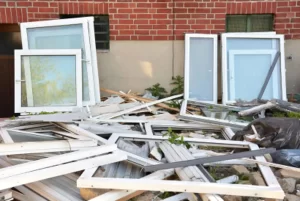
FIGA
FGIA, the Fenestration and Glazing Industry Alliance, used a VIABILITY grant to research and develop a pilot project to recycle vinyl windows at the end of their life.
VIABILITY in Action
Learn more about how the awarded organizations aim to grow post-consumer vinyl recycling. Check out what they have to say!
How Vinyl Markets & Materials Can Unlock New Opportunities for PVC Recycling
We examined the current PVC market to guide recycling strategies for PVC-based products and identify ways the vinyl value chain can improve material recovery. Based on key evaluation variables, potential recycling strategies were developed for each use case. View all markets and strategies in the full recycling report.
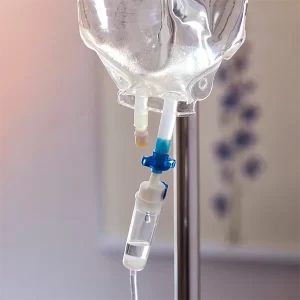
IV Bags
IV bags offer a meaningful opportunity for PVC recycling within the healthcare system. While contamination and regulatory requirements present challenges, dedicated collection, separation, and specialized processing can enable safe recovery. Collaboration among hospitals, medical waste managers, and PVC reprocessors is key to scaling effective recycling solutions.
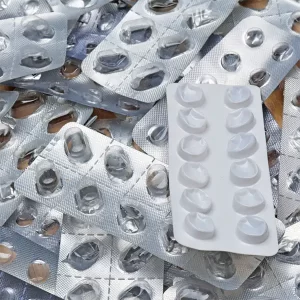
PVC Blister Packaging
Pharmaceutical blister packaging presents a complex but targeted PVC recycling opportunity. Multi-material construction, barrier coatings, and pharmaceutical residue limit consumer recovery, making clean post-industrial scrap the most viable near-term pathway. By focusing on manufacturing waste from drug producers and contract packagers—while piloting limited pharmacy take-back programs—the industry can capture high-quality PVC streams and evaluate scalable future solutions.
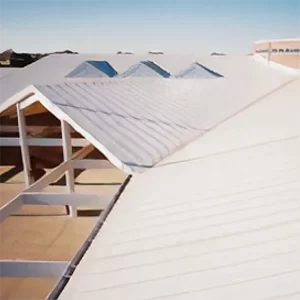
Flat Membrane Roofing
Commercial PVC roofing membranes offer a high-volume recycling opportunity during reroofing projects. Contamination from adhesives, insulation, ballast, and metal fasteners requires coordinated collection and specialized separation at the job site. By partnering with roofing contractors, manufacturers, distributors, and large property owners, the industry can integrate membrane recovery into project planning and divert material from landfills at scale.

Automotive Interiors
Automotive interior components such as dashboards and door panels present an emerging PVC recycling opportunity. Multi-material construction, embedded electronics, coatings, and material degradation require early-stage separation and specialized handling. By partnering with dismantlers, shredder operators, OEMs, and interior manufacturers, the industry can recover PVC through targeted pre-shredder removal and clean post-industrial scrap streams.
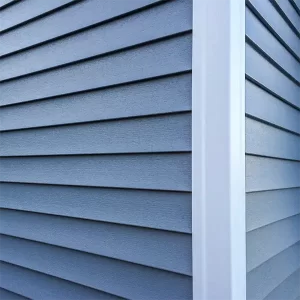
Siding Panels
PVC siding represents a long-term recycling opportunity tied to residential renovation and replacement cycles. Weathering, surface contamination, and regional formulation differences require coordinated collection and experienced processing. By partnering with siding contractors, building supply retailers, municipalities, and specialized recyclers, the industry can capture installation waste and replacement material through systematic, scalable programs.
Looking to Drop Off Material?
Find a Recycling Location Near You*
*Facilities may not exist in your area or may be limited
Does your organization collect PVC for recycling?
Disclaimer: The companies listed in this directory have self-identified as participants in the PVC recycling value chain, either as material processors or as brokers/resellers. Inclusion in this directory does not constitute formal verification or endorsement. VI does not assume responsibility for any inaccuracies in company listings and encourages listed organizations to contact VI to confirm or update their information.
Find Recycling Resources
Recycling doesn’t have to be complicated. We’ve compiled the resources and tools you need to simplify your recycling journey and make confident, eco-friendly choices and empower your recycling journey.
Inside PVC Recycling in North America: Data, Progress, and What Comes Next
The Vinyl Institute’s 2025 Vinyl Recycling Report, developed with industry partners and grounded in transparent, aggregated data, delivers a clear, data-driven snapshot of PVC recycling in North America, highlighting real progress, emerging opportunities, and a path forward for greater circularity. Fill out the form to download the full report for information to help advance sustainable solutions that strengthen both markets and communities. The report will be delivered to your email inbox after your submit the form.
Data-Driven Recycling Report Access
The report will be delivered to your email inbox after you submit the form.
The Benefits of PVC Recycling

Lower Carbon Footprint
North American PVC recycling prevents roughly 1 million tons of CO₂ emissions annually and continued advances in electrification and energy-efficient manufacturing could reduce emissions by 61% to 95% by 2050.20

Energy Conservation
PVC recycling delivers significant conservation benefits, achieving 50–90% energy savings compared to virgin production while enabling recovery of valuable resources for reuse.22
High-Quality Recycled Content
Recycled PVC can be processed into high-quality pellets and granules suitable for multiple reuse cycles with minimal quality loss.

Job Creation
The EPA’s 2020 Recycling Economic Information Report found that recycling and reuse activities generate 1.17 jobs for every 1,000 tons of materials recycled.27
*Download the full report above for more information on sources and data collection.
How PVC Recycling Works
The PVC recycling process encompasses several critical stages, including those outlined below.
Procurement & Sourcing
PVC recycling begins with collecting pre- and post-consumer waste, with careful separation of materials. Rigid and flexible PVC must be kept separate due to differences in composition and the use of plasticizers, making proper sourcing and procurement essential for effective recycling.
Primary Size Reduction
Primary shredding reduces PVC to roughly 20 mm particles using high-capacity equipment, typically processing 2–5 tons per hour. Careful temperature control during this step is essential to preserve polymer integrity and maintain final product quality.
Multi-Stage Separation
PVC can be separated from other plastics through multiple processing stages, including density separation using water or brine solutions. More advanced electrostatic separation can further distinguish between rubber, flexible PVC, and rigid PVC, while additional steps such as magnetic separation and air classification remove metals and lightweight contaminants to improve material purity.
Advanced Material Sorting
Advanced optical sorting uses near- and mid-infrared, X-ray, and camera-based technologies to identify and separate PVC by material type and color. These systems are critical for producing high-value, color-consistent PVC, while emerging AI-driven identification and robotic sorting are being developed to address more complex challenges such as tangled materials and black plastics.
Washing & Cleaning
Washing can be a critical step in PVC recycling, depending on the feedstock quality. Washing removes contaminants that can degrade material quality and performance. Cold washing removes lighter residues, while intensive hot washing at 60–90°C—sometimes using sodium hydroxide—eliminates oils, grease, and stubborn contaminants to ensure usable recycled PVC.
Granulation
Granulation creates uniform PVC particles of 2–5 mm, which are then dried to very low moisture levels. The material is pelletized using extrusion at controlled temperatures, producing recycled PVC pellets with properties comparable to virgin material.
Quality Control
Quality control is maintained throughout the PVC recycling process through continuous monitoring of key parameters such as temperature, flow rates, and contamination. Statistical process controls and final performance testing ensure recycled PVC meets required mechanical and thermal standards.
*Download the full report above for more information on sources and data collection.
FAQs
The cost of the reverse logistics to collect and ship materials at end of life adds significant cost to the process and is added to the cost of processing the materials.
Plastics are a diverse set of materials with individual chemical characteristics. Most plastic types need to be separated before recycling. Chlorine content is unique to PVC and the recycling processes need to be designed for this material.
Recycled PVC is commonly used in roofing material and accessories,, non-pressure pipes, flooring, and fence and decking, among other durable applications, often times as a substrate or compounded with virgin material rather than used as a standalone product.
Older additives can limit compatibility with material specifications in modern applications. While many applications can use recycled PVC with older additives, often encapsulated as a substrate so that it is not exposed to the user, emerging technologies are helping recyclers process these materials more effectively. New specifications and standards are also being developed to guide the effective use of these materials.
Questions About Recycling?
Have questions about recycling, recycled materials, or communicating your vinyl sustainability efforts? Fill out the form and we’ll be in touch soon.
Contact Us
Found an Error or Issue with a Directory Listing?
Thank you for taking the time to help us keep the directory accurate and up-to-date. Please use the form below to tell us what the problem is.
Want to Add Your Business to the Recycling Directory?
Please use this form to provide information about the vinyl recycling performed at your business location(s). If you quality, we will contact you about being included in the directory.